Tips to prevent wrinkles and maintain youthful appearance.
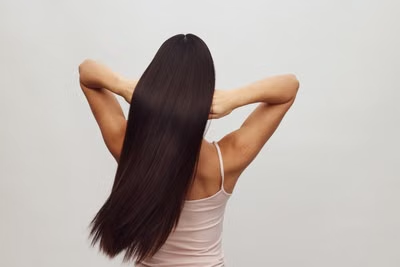
Hair fall is a common concern that can affect both men and women. Losing some hair every day is normal, but noticeable thinning, excessive shedding, widening of the hair part, or bald patches may indicate an underlying problem. Hair loss can have many causes, including genetics, stress, nutritional deficiencies, hormonal changes, medical conditions, medications, and damaging hair-care practices. (AAD)
While natural habits cannot prevent every type of hair loss, taking better care of your hair, scalp, nutrition, and overall health can help reduce preventable hair damage and support healthier hair growth.
1. Eat a Balanced, Nutrient-Rich Diet
Healthy hair starts with proper nutrition. Your body needs adequate protein and essential nutrients to support normal hair growth. Not getting enough protein, iron, zinc, or certain other nutrients can contribute to noticeable hair loss. (AAD)
Include a variety of nutritious foods such as:
-
Eggs and lean protein
-
Pulses and beans
-
Green leafy vegetables
-
Fruits and vegetables
-
Nuts and seeds
-
Whole grains
-
Dairy or suitable alternatives
Avoid crash diets or severe calorie restriction, as rapid weight loss and inadequate nutrition can trigger increased hair shedding. (Mayo Clinic)
2. Be Gentle With Your Hair
Excessive pulling, brushing, heat, and chemical treatments can weaken hair and increase breakage. Use a gentle shampoo and conditioner, and avoid aggressively rubbing or pulling your hair while washing or brushing.
A wide-toothed comb can help reduce unnecessary tugging, particularly when your hair is wet. (AAD)
3. Avoid Tight Hairstyles
Frequently wearing tight ponytails, buns, braids, or other hairstyles that pull strongly on the scalp can contribute to traction alopecia. Continued tension may eventually cause permanent hair loss. (AAD)
Try wearing your hair more loosely and vary your hairstyles to reduce repeated stress on the same areas.
4. Limit Heat and Chemical Treatments
Frequent use of straighteners, curling irons, hot combs, and high-heat blow-drying can damage fragile hair. Similarly, repeated chemical straightening, perming, or coloring may increase hair breakage.
Use the lowest practical heat setting and allow your hair to dry naturally whenever possible. (AAD)
5. Manage Stress and Maintain Healthy Habits
Stress can contribute to increased hair shedding in some people. Maintaining healthy lifestyle habits, getting adequate sleep, exercising regularly, and finding effective ways to manage stress can support overall wellbeing.
Smoking should also be avoided, as it may contribute to inflammation and has been associated with hair loss. (AAD)
6. Be Careful With Hair Supplements
Hair-growth supplements are widely marketed, but taking vitamins without knowing whether you have a deficiency may not help. In some cases, excessive amounts of certain nutrients can actually worsen hair loss. (AAD)
If you experience significant hair fall, a dermatologist may recommend appropriate blood tests to identify nutritional deficiencies or other underlying causes before suggesting supplements. (AAD)
7. Don’t Ignore Persistent Hair Fall
Natural hair-care practices are helpful, but they cannot prevent every form of hair loss. Hereditary hair loss, hormonal conditions, thyroid problems, scalp disorders, infections, and other medical causes may require professional treatment. (Mayo Clinic)
If you notice sudden or excessive shedding, thinning hair, bald patches, or a widening hair part, consult a dermatologist. Finding the underlying cause early can improve the chances of effective management. (AAD)
Healthy Hair Starts With the Right Care
Preventing hair fall naturally begins with simple, consistent habits: eat a balanced diet, protect your hair from unnecessary damage, avoid tight hairstyles, limit excessive heat, manage stress, and avoid taking supplements without professional advice.
However, persistent hair loss should not be treated only with home remedies. A professional scalp and hair assessment can help identify the actual cause and determine whether medical treatment is needed.
If you are experiencing excessive hair fall or thinning, consult Dr. Mamta for a personalized hair and scalp evaluation and a treatment plan suited to your individual needs.
POST TAGS :
Embrace Your Natural Glow

Dr. Mamta Jain has been working in the field of dermatology for more than two decades. Everything, starting from regular skin problems to complex problems related to hair, falls within her area of expertise.