Tips to prevent wrinkles and maintain youthful appearance.
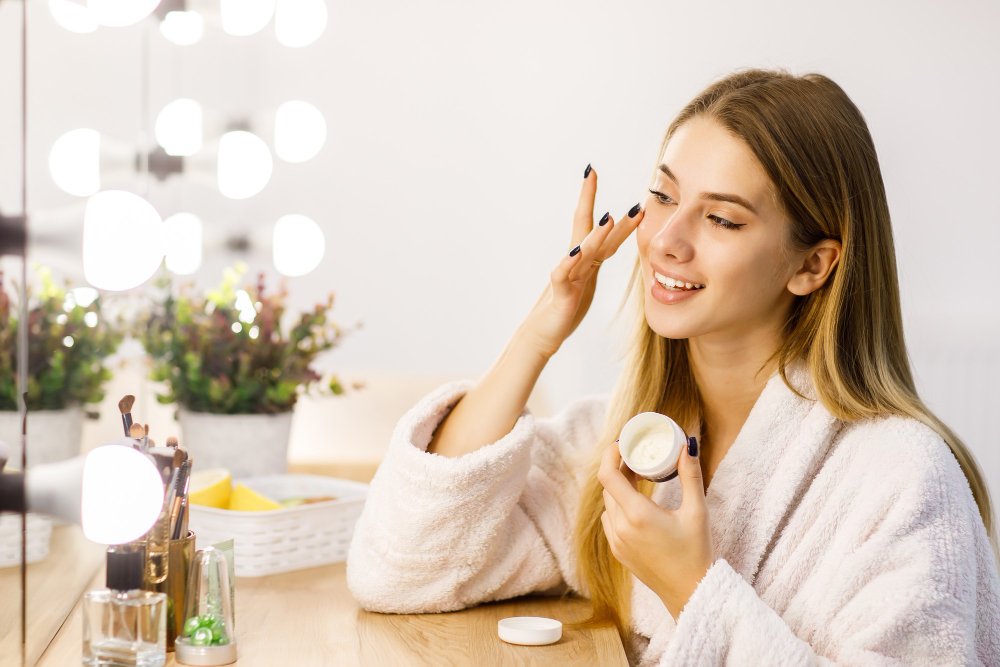
Top Acne Remedies to Try in 2026
Acne is one of the most common skin concerns and can affect teenagers as well as adults. Pimples, blackheads, whiteheads, redness, and acne marks can affect both the appearance of your skin and your confidence. The good news is that there are several effective, evidence-based acne treatments available today.
In 2026, the best approach to acne care is not simply choosing the strongest product. It is about identifying your type of acne and following a consistent skincare and treatment plan that suits your skin.
1. Benzoyl Peroxide
Benzoyl peroxide remains a commonly recommended ingredient for acne. It helps reduce acne-causing bacteria and inflammation and can be useful for mild to moderate breakouts. (American Academy of Dermatology)
If you are new to benzoyl peroxide, starting with a lower concentration may help reduce dryness and irritation. It can also bleach fabrics, so take care when applying it.
2. Salicylic Acid
Salicylic acid helps exfoliate the skin and unclog pores. It can be particularly useful for blackheads, whiteheads, and clogged pores. (American Academy of Dermatology)
Products containing salicylic acid are available as cleansers, gels, and other topical formulations. Avoid overusing exfoliating products, as excessive irritation can make your skin uncomfortable.
3. Retinoids and Adapalene
Topical retinoids help prevent pores from becoming clogged and can treat blackheads, whiteheads, and some pimples. Adapalene is one retinoid that may be available without a prescription, while other retinoids require medical guidance. (American Academy of Dermatology)
Retinoids can cause dryness and irritation when first introduced. They should be used according to professional advice, and topical retinoids should not be used during pregnancy. (nhs.uk)
4. Azelaic Acid
Azelaic acid is another useful option for acne-prone skin. It can help address acne and inflammation while also helping reduce the appearance of dark marks left behind after breakouts. (American Academy of Dermatology)
This makes it particularly useful for people who are concerned about both active acne and post-acne pigmentation.
5. Don’t Forget Moisturizer
People with acne often avoid moisturizer because they worry that it will make their skin oily. However, several acne treatments can dry and irritate the skin. A suitable, non-comedogenic moisturizer can help support the skin barrier and improve tolerance of acne treatments. (American Academy of Dermatology)
Choose a lightweight moisturizer designed for acne-prone skin and avoid products that feel excessively heavy or greasy.
6. Use Sunscreen Every Day
Sun protection is important when managing acne and post-acne marks. Choose a broad-spectrum, non-comedogenic sunscreen with SPF 30 or higher.
Daily sunscreen can help protect your skin from UV damage and prevent pigmentation from becoming more noticeable. (American Academy of Dermatology)
7. Avoid Picking or Popping Pimples
Although squeezing a pimple may seem like a quick solution, it can increase inflammation and the risk of scarring. (American Academy of Dermatology)
Instead, use an appropriate acne treatment and allow the blemish to heal naturally.
8. Give Your Treatment Time
One of the biggest mistakes people make is changing products too quickly. Acne treatments often require several weeks before noticeable improvement. The NHS notes that many acne treatments can take around two to three months to show their full effect. (nhs.uk)
Consistency is therefore essential. Follow the recommended routine and avoid introducing multiple strong active ingredients at the same time.
When Should You See a Dermatologist?
If your acne is painful, severe, persistent, leaving scars, or not improving with over-the-counter products, it may be time to consult a dermatologist. Moderate-to-severe acne may require prescription treatments or a combination approach. (nhs.uk)
A dermatologist can assess your skin and determine whether your acne is influenced by factors such as hormones, inflammation, clogged pores, or other causes.
Clearer Skin Starts With the Right Approach
The best acne remedy in 2026 is not necessarily a trendy skincare product. Effective acne management starts with understanding your skin and choosing proven treatments such as benzoyl peroxide, salicylic acid, retinoids, or azelaic acid when appropriate.
With the right skincare routine, patience, sun protection, and professional guidance when needed, acne can be managed effectively.
If you are struggling with persistent acne, acne marks, or recurring breakouts, consult Dr. Mamta for a personalized skin assessment and treatment plan designed for your specific concerns.
POST TAGS :
Embrace Your Natural Glow

Dr. Mamta Jain has been working in the field of dermatology for more than two decades. Everything, starting from regular skin problems to complex problems related to hair, falls within her area of expertise.